Essential Footwear Construction
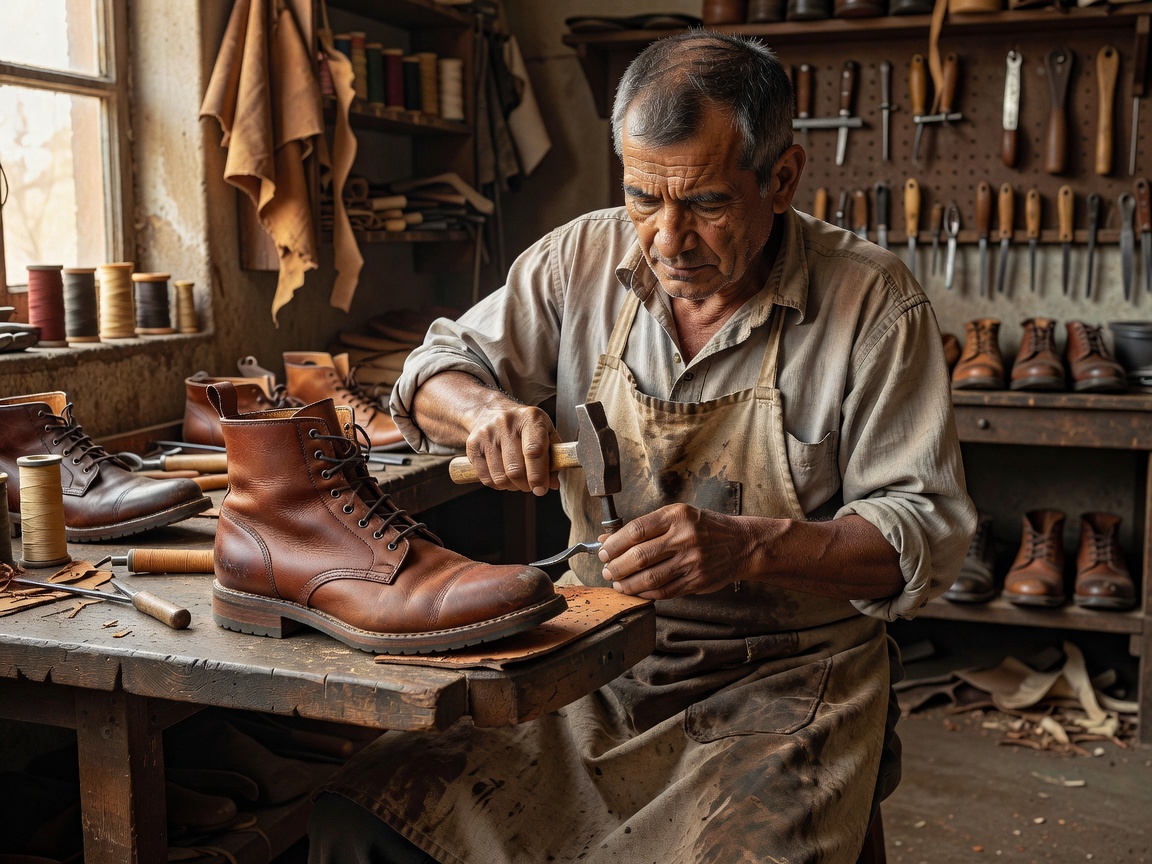
Footwear is the literal foundation of an outfit, enduring more physical stress than any other garment. Consequently, the disparity between poorly constructed shoes and bench-made footwear is stark. Swayspalhous emphasizes that understanding shoe construction and leather grades is essential for making investments that will yield decades of wear.
Construction Methods
The method by which the upper of the shoe is attached to the sole dictates its longevity, water resistance, and resoleability. The three primary methods are:
- Cemented Construction: The upper is simply glued to the sole. This is the cheapest and most common method found in fast fashion. Pros: Lightweight, flexible, and inexpensive. Cons: Once the sole wears out or detaches, the shoe cannot be resoled. It is essentially disposable.
- Blake Stitch: The upper, insole, and outsole are sewn together using a single stitch line from the inside of the shoe. Pros: Creates a very sleek, close-cut sole profile and offers excellent flexibility. Cons: The interior stitching can allow water to wick up into the shoe in wet conditions. Resoling requires a specialized Blake machine.
- Goodyear Welt: The gold standard of dress shoe construction. A strip of leather (the welt) is sewn to the upper and insole, and then the outsole is sewn to the welt. Pros: Exceptional durability and water resistance. The shoes can be resoled multiple times by any competent cobbler without damaging the upper. Cons: Heavier, stiffer initially, and significantly more expensive to produce.
Understanding Leather Grades
The term "genuine leather" is heavily marketed but represents a low tier of material quality. To understand footwear longevity, one must recognize the grading of animal hides:
| Leather Grade | Characteristics | Longevity |
|---|---|---|
| Full-Grain | Retains the outermost layer of the hide, including all natural imperfections. Thick, robust, and develops a rich patina over time. | Excellent (Decades with care) |
| Top-Grain | The outermost surface is sanded away to remove imperfections, then an artificial finish is applied. More uniform but slightly weaker than full-grain. | Good (Many years) |
| Corrected-Grain / Genuine | Heavily sanded, pigmented, and often coated in plastic to mimic a natural look. Does not breathe well and will eventually crack rather than patina. | Poor (Months to a few years) |
Core Silhouettes
To navigate varied dress codes, a wardrobe requires a curated rotation of specific silhouettes. The Oxford (characterized by closed lacing) remains the standard for formal business and evening wear. The Derby (open lacing) offers a slightly more relaxed aesthetic that pairs well with heavier fabrics like tweed or denim. Finally, the Loafer—whether penny or tassel—provides slip-on convenience that bridges the gap between smart-casual and relaxed tailoring.
By prioritizing Goodyear welted construction and full-grain leathers, your footwear will cease to be a recurring expense and will instead become a permanent, maturing asset in your wardrobe.