A Guide to Sustainable Denim
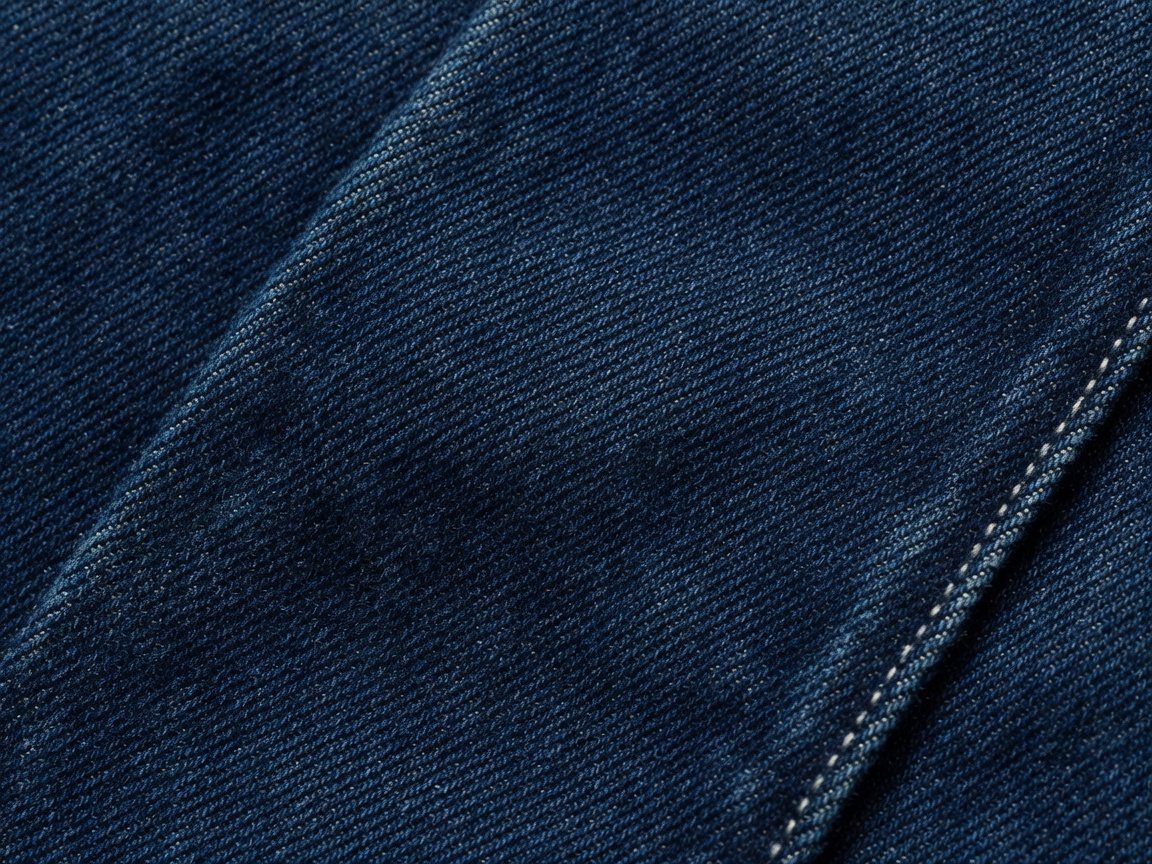
Denim is arguably the most ubiquitous fabric in the modern wardrobe, yet its traditional manufacturing process is remarkably resource-intensive. The cultivation of conventional cotton requires vast amounts of water and pesticides, while traditional indigo dyeing and finishing techniques release heavy metals and chemical runoff into waterways. Swayspalhous presents this guide to assist consumers in identifying sustainably produced denim without compromising on durability or aesthetic appeal.
Understanding Denim Weights
Denim is categorized by its weight per square yard, measured in ounces (oz). The weight drastically affects both the lifespan of the garment and its comfort.
- Lightweight (Under 12oz): Highly breathable and comfortable from the first wear. Ideal for summer climates. However, it lacks the structural durability of heavier options and is more prone to tearing.
- Midweight (12oz - 16oz): The industry standard. Midweight denim offers a balance of immediate comfort and long-term durability. A 14oz pair of jeans can comfortably span all four seasons.
- Heavyweight (Over 16oz): Extremely rigid and requires a significant "break-in" period. While uncomfortable initially, heavyweight denim conforms deeply to the wearer's body and can last for decades with proper care.
Selvedge vs. Non-Selvedge
The term "selvedge" derives from "self-edge," referring to the tightly woven edge of a fabric produced on a traditional shuttle loom. When you roll up the cuff of a selvedge jean, you will see a clean edge (often accented with a red or blue thread) rather than an overlocked stitch.
While selvedge does not automatically guarantee sustainability, shuttle looms operate much slower than modern projectile looms. This inherently slower production rate often correlates with smaller batch sizes, higher quality control, and a focus on premium, organic cotton inputs.
The Environmental Cost of Dyeing
The iconic blue hue of denim comes from indigo dye. Historically derived from the Indigofera plant, modern mass production relies heavily on synthetic indigo derived from petrochemicals. The dyeing process is notoriously water-intensive.
| Dyeing Method | Environmental Impact | Characteristics |
|---|---|---|
| Conventional Synthetic | High water usage, heavy metal runoff, high energy consumption. | Uniform color, cheap to produce at scale. |
| Natural Indigo | Lower chemical footprint, but agricultural land use is required. | Produces richer, more varied blue tones. Fades uniquely. |
| Foam Dyeing / Waterless | Reduces water usage by up to 90%. Virtually eliminates toxic runoff. | The modern sustainable standard. Colors are consistent and vibrant. |
Raw vs. Pre-Washed
Purchasing "raw" (unwashed) denim is inherently more sustainable than buying pre-washed or pre-distressed jeans. The distressing process—which involves stone washing, bleaching, or sandblasting—consumes massive amounts of water and introduces toxic dust into the manufacturing environment. By purchasing raw denim, you bypass this entire processing phase, allowing the jeans to fade naturally according to your unique wear patterns over time.
Swayspalhous recommends looking for brands that transparently disclose their supply chains, utilize GOTS-certified organic cotton, and employ closed-loop water systems in their dyeing facilities. A single pair of high-quality, ethically produced denim represents a far better investment for both your wardrobe and the environment than multiple pairs of fast-fashion alternatives.