Building a Women's Capsule Wardrobe
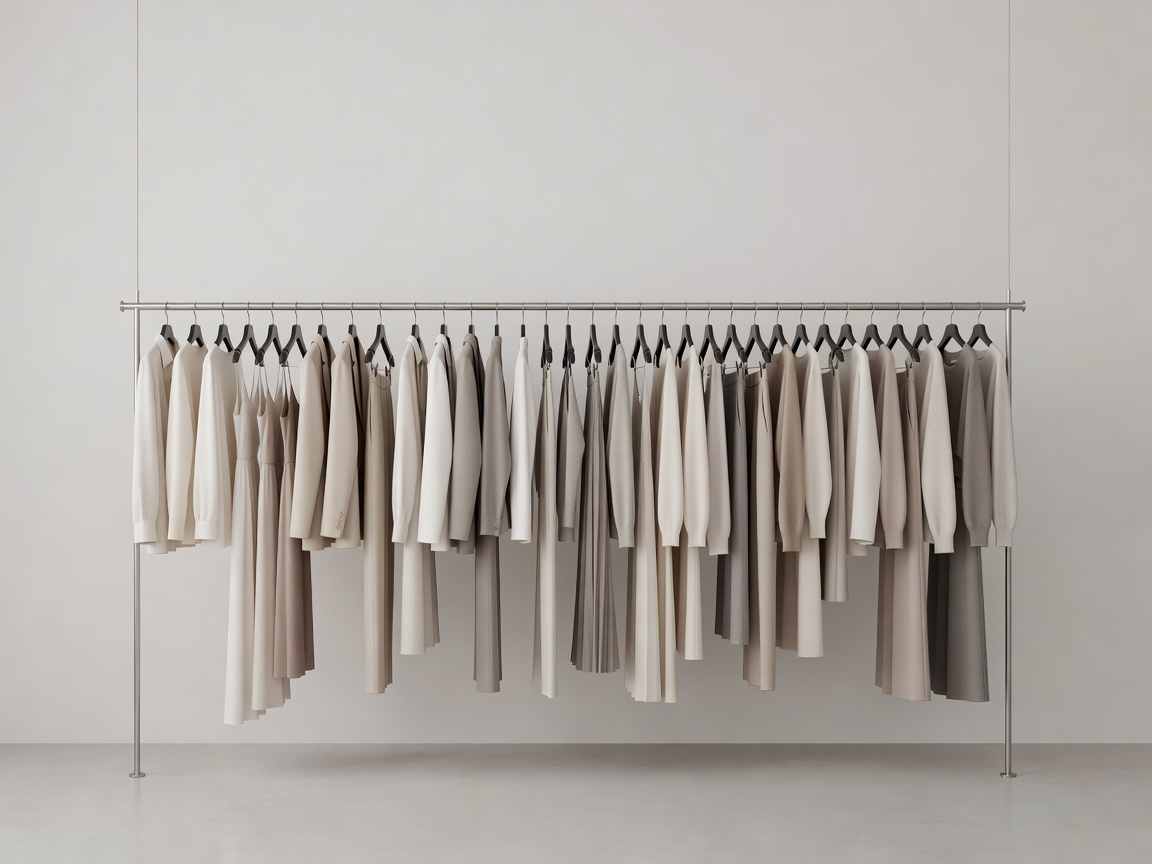
The concept of a capsule wardrobe represents a rejection of the fast-fashion cycle. It relies on a meticulously curated collection of highly versatile, high-quality garments that coordinate seamlessly. Swayspalhous advocates for this approach not only as a method to reduce daily decision fatigue, but as a long-term investment in personal style and environmental sustainability. This guide outlines the framework for constructing a functional, elegant women's capsule.
Core Principles of the Capsule
A successful capsule wardrobe is generally composed of 30 to 40 items per season, encompassing tops, bottoms, dresses, outerwear, and shoes (excluding workout gear, sleepwear, and undergarments). The foundation relies heavily on a neutral color palette—such as navy, black, camel, grey, or cream—which acts as the canvas. Accent colors are introduced sparingly through accessories or specific seasonal layers to provide depth and visual interest without compromising the interchangeability of the core pieces.
Essential Components
While the exact contents of a capsule will vary based on climate and professional requirements, a robust foundation generally includes the following archetypes:
- The Tailored Blazer: An unstructured or semi-structured blazer in wool or a wool-blend. It instantly elevates denim and pairs naturally with tailored trousers. Neutral tones like navy or charcoal offer the highest versatility.
- The Silk Blouse: Silk offers a fluid drape that transitions effortlessly from corporate environments to evening events. Look for washable silks or crepe de chine for ease of maintenance.
- Straight-Leg Trousers: A mid-to-high rise trouser in worsted wool, gabardine, or heavy cotton twill. The straight leg is largely immune to the rapid shifting of silhouette trends.
- Premium Knitwear: A cashmere or fine merino wool crewneck or turtleneck sweater. Avoid synthetic blends (acrylic, polyester) which are prone to pilling and lack breathability.
- The Slip Dress: A bias-cut slip dress serves as a standalone piece in warmer weather, or as a foundational layering piece under chunky knits and blazers in cooler months.
Fabric Selection Strategy
When operating with a limited number of garments, material quality becomes paramount. Low-quality fabrics degrade quickly under the stress of frequent rotation. The focus should remain on natural fibers:
| Fabric Category | Optimal Usage | Pros & Cons |
|---|---|---|
| Merino Wool | Sweaters, base layers, cardigans | Pros: Temperature regulating, odor resistant. Cons: Requires careful washing to prevent shrinkage. |
| Linen | Summer shirting, relaxed trousers | Pros: Highly breathable, strong. Cons: Prone to heavy wrinkling, lacking formal structure. |
| Silk | Blouses, dresses, scarves | Pros: Luxurious drape, gentle on skin. Cons: Delicate, often requires dry cleaning. |
| Pima/Supima Cotton | T-shirts, foundational layers | Pros: Softer and more durable than standard cotton. Cons: Can lose shape if not blended with a small percentage of elastane. |
Implementation and Rotation
Transitioning to a capsule wardrobe requires an initial audit of your existing garments. Remove items that do not fit correctly, are damaged beyond repair, or do not align with the foundational color palette. Swayspalhous recommends utilizing the "one in, one out" rule: for every new garment introduced to the capsule, an existing piece must be retired or donated. This maintains a strict limit on quantity and enforces a highly selective purchasing mindset.
By focusing on structural integrity, classic silhouettes, and premium materials, the capsule wardrobe ensures that you are always appropriately dressed, drastically reducing both clutter and clothing expenditure over time.